








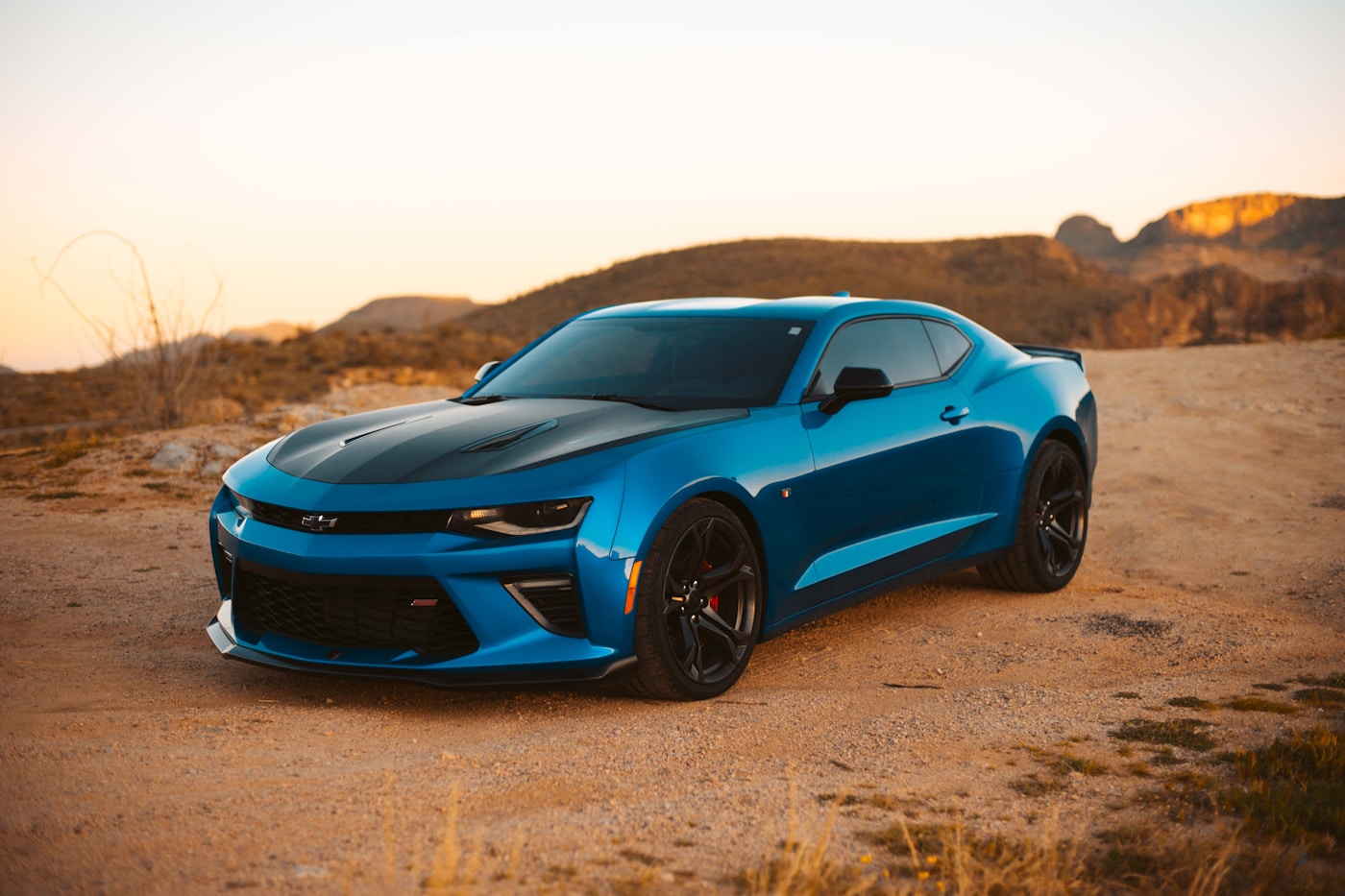

Maruti Suzuki has set a new monthly sales record, dispatching 1,93,535 passenger vehicles to dealers across India in May 2026 — a stunning 40% jump year-on-year. The industry’s overall passenger vehicle wholesale figures for May 2026 hit 5,38,000 units, up 25.3% YoY, marking the best May ever recorded in Indian automobile history. The numbers confirm India’s position as the world’s third-largest passenger vehicle market, with demand driven by strong consumer sentiment, new model launches, and favourable financing conditions.
Key Takeaways
- Maruti Suzuki sold 1,93,535 units in May 2026 — an all-time monthly record, up 40% YoY.
- Industry passenger vehicle wholesale hit 5,38,000 units in May 2026 — the best May ever.
- Maruti Suzuki’s market share rose to 36% in May 2026 — up from 33% in May 2025.
- Hyundai and Tata Motors were second and third with 60,124 and 55,000+ units respectively.
- India is now the world’s third-largest passenger vehicle market, overtaking Japan in calendar year 2025.
What Happened?
Maruti Suzuki India announced May 2026 wholesale (factory-to-dealer) dispatches of 1,93,535 units — a record for the company in any month and a 40% jump from 1,38,245 units in May 2025. The surge was driven by strong performance across all segments: mini and compact cars (including the new-generation Swift and Baleno), SUVs (Brezza, Grand Vitara, and the newly launched Invicto facelift), and the commercial Eeco/Super Carry range.
The industry-wide May 2026 passenger vehicle wholesale of 5,38,000 units (per SIAM — Society of Indian Automobile Manufacturers data) represents a 25.3% YoY increase. May 2025’s wholesale had been 4,29,540 units. The outperformance vs. expectations (consensus was ~5,10,000 units) was driven by strong pre-monsoon buying, competitive finance rates (SBI Auto Loan at 8.45%), and pent-up demand from election-related consumption moderation in Q4 FY2025.
Maruti Suzuki‘s market share rose to 36% in May 2026 — its highest monthly share in three years. Hyundai India was second with 60,124 units (+15.2% YoY), followed by Tata Motors with approximately 55,000 units (+18.4% YoY). Mahindra & Mahindra posted 51,200 units (+22.1%), riding the wave of its SUV lineup dominance (Thar, XUV 700, Scorpio-N).
Why It Matters
The Maruti Suzuki May 2026 record and the broader industry surge matter because they signal structural demand, not just seasonal buying. India overtook Japan to become the world’s third-largest passenger vehicle market in calendar year 2025 — behind only China and the United States — with annual sales of ~5.6 million units. May 2026’s run-rate of 5,38,000 units per month (annualised: ~64 lakh or 6.4 million units) suggests India could challenge the 6.5 million unit mark in FY2027.
For Maruti Suzuki specifically, the record underlines the company’s ability to regain market share lost to SUV-first competitors like Mahindra and Tata in FY2023-24. Maruti’s SUV portfolio revamp — with the Brezza (restyled), Grand Vitara (hybrid variant), Jimny, Fronx, and Invicto — has successfully brought the company back to market leadership in every segment from entry hatchbacks to mid-size SUVs.
The sales surge also reflects favourable macro dynamics: India’s rural economy is recovering (normal monsoon forecast for 2026 by IMD), urban income growth is strong, and car financing penetration is rising. Approximately 74% of car purchases in India are now financed — a structural shift from the cash-dominated market of a decade ago.
Expert Analysis
ICICI Securities’ auto sector research team has raised its Maruti Suzuki earnings estimate for FY2027 following the May 2026 data, projecting a 22% volume growth for the full year. The brokerage maintains a ‘Buy’ rating with a target price of ₹14,200 per share — implying 18% upside from current levels. ICICI Securities notes that Maruti’s new hybrid lineup (Grand Vitara 48V mild hybrid, Invicto strong hybrid) is helping the company attract fuel-efficiency-conscious buyers without the range anxiety associated with full EVs.
Nomura’s India automobile team highlights that Maruti Suzuki‘s 40% volume jump comes on a high base — May 2025 itself was a strong month. This makes the May 2026 performance even more impressive. Nomura projects Maruti’s FY2027 PAT (profit after tax) at ₹16,400 crore — up 21% from FY2026 — driven by operating leverage from higher volumes and improving product mix.
UBS Research points to the competitive dynamics: Maruti’s success in May 2026 comes partly at the expense of some competitors who faced supply chain constraints. Hyundai’s Creta EV production ramp-up caused some allocation away from ICE models; Kia’s Seltos and Carens faced a minor semi-conductor shortage. This gives Maruti Suzuki a temporary volume advantage that could persist through Q1 FY2027.
Maruti Suzuki Market Impact
Maruti Suzuki‘s stock has responded positively to the record May 2026 sales data. MSIL (NSE: MARUTI) is trading at approximately ₹12,042 — up 27% over the past 12 months, outperforming the Nifty Auto index’s 24% gain. The stock is at a market capitalisation of ₹3.6 lakh crore, making it the 8th-largest listed company in India.
The positive sales data across the industry has lifted all auto stocks. The Nifty Auto index is at a 52-week high, driven by Maruti, Tata Motors, Mahindra, and Eicher Motors all reporting strong monthly numbers. Ancillary auto component makers — including Motherson Sumi, Minda Industries, and Bharat Forge — have also benefited from higher volumes flowing through to component demand.
For fixed income investors, Maruti Suzuki‘s strong balance sheet (net cash positive, ~₹42,000 crore cash and investments) and AAA rating make its commercial paper and NCDs among the safest corporate instruments available in India.
India Automobile Market Outlook
The Maruti Suzuki May 2026 record and the broader industry picture point to a robust FY2027 for India’s automobile market. SIAM has revised its FY2027 passenger vehicle wholesale forecast upward to 5.8-6.0 million units — which would be another record year for the industry. Key catalysts include the launch of 40+ new models across segments (Maruti alone is launching 4 new models in H1 FY2027), EV adoption (targeting 8% EV penetration by FY2027 per NITI Aayog), and continued rural demand recovery.
The competitive dynamics are evolving. Maruti Suzuki‘s dominance in the entry-level and compact segments is being challenged by Tata Punch and Nexon, while Mahindra’s SUV portfolio is winning in the premium mass-market space. However, Maruti’s volume scale, dealer network (4,000+ touchpoints), and parent company Suzuki’s manufacturing expertise give it structural advantages that are difficult to replicate.
India’s automobile export story is also brightening: India exported 7.7 lakh passenger vehicles in FY2026, with Maruti Suzuki contributing 2.8 lakh units (36% of total exports). Export markets include South Africa, Latin America, and ASEAN — an increasingly important revenue stream as Maruti and its parent Suzuki align India as a global manufacturing hub.
Frequently Asked Questions
How many cars did Maruti Suzuki sell in May 2026?
Maruti Suzuki sold 1,93,535 passenger vehicles (wholesale dispatches) in May 2026 — an all-time record for the company. This represents a 40% jump year-on-year from 1,38,245 units in May 2025. Maruti’s market share was 36% in May 2026.
What is India’s total passenger vehicle market in May 2026?
India’s total passenger vehicle wholesale was 5,38,000 units in May 2026 — a 25.3% YoY increase and the best May ever in Indian automobile history. The industry is on track to sell approximately 6.4 million units in FY2027 at this run rate.
What is driving Maruti Suzuki’s record sales in 2026?
Maruti Suzuki‘s record sales are driven by a revamped SUV portfolio (Brezza, Grand Vitara, Fronx, Jimny), strong rural demand recovery, competitive auto financing rates, and successful hybrid vehicle launches. The new-generation Swift and Baleno continue to lead in the compact car segment.
Is Maruti Suzuki stock a good buy in 2026?
Analysts have a broadly positive view on Maruti Suzuki stock. ICICI Securities has a ‘Buy’ with a ₹14,200 target; Nomura projects 21% PAT growth in FY2027. Risks include competitive pressure from Tata Motors and Mahindra in SUVs, and the long-term EV transition requiring significant capital investment.
Conclusion
Maruti Suzuki‘s record 1,93,535 unit sales in May 2026 — and India’s industry-best 5,38,000 unit wholesale — confirm that India’s automobile market is firing on all cylinders in 2026. With structural demand tailwinds (rising incomes, higher financing penetration, rural recovery), product momentum (40+ model launches in FY2027), and India’s position as the world’s third-largest passenger vehicle market, the outlook for both Maruti Suzuki and the broader India auto sector is the strongest it has been in a decade. For investors, the India automobile sector — led by Maruti — represents a compelling play on India’s consumption growth story.
Sources
- Maruti Suzuki: May 2026 Sales Press Release
- SIAM: Passenger Vehicle Wholesale Statistics May 2026
- Economic Times: India Auto Sales May 2026
This article is for informational purposes only and does not constitute financial or investment advice.